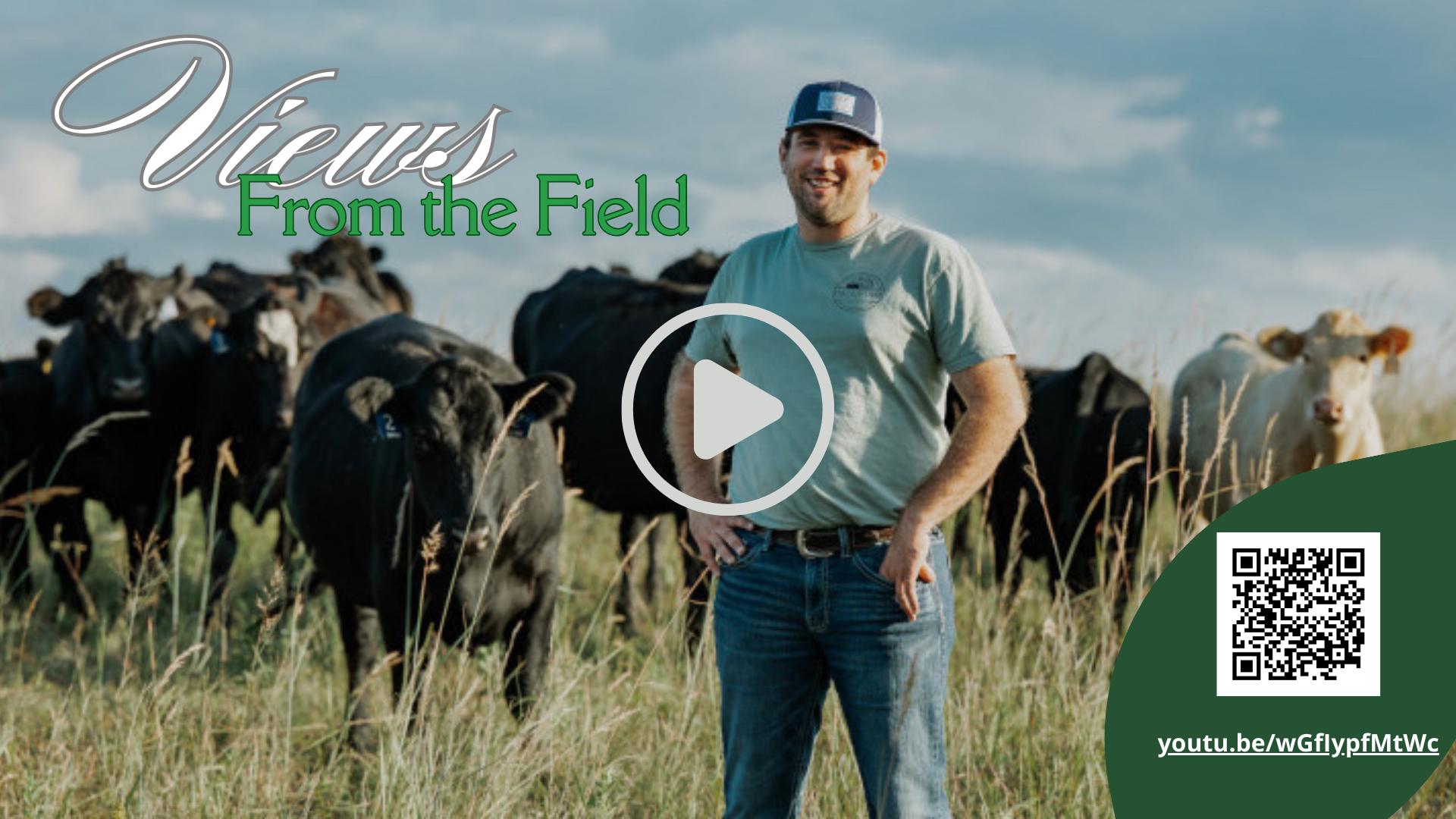

Views From the Field Views From the Field Highlights Mental Health Highlights Mental Health Support for Farmers
Farming is often described as a way of life built on independence, resilience, and grit. But for many farmers and ranchers, that same independence can make it difficult to acknowledge stress, burnout, or mental health challenges—let alone ask for help.
Those realities were front and center during the December 2025 Views from the Field discussion, where I was joined by Thomas Eisenbarth for a thoughtful and candid conversation about the importance of caring for mental health in agriculture and learning how to support others who may be facing hardship.
Throughout the discussion, one message came through clearly: mental health is just as critical to the success and longevity of a farm as soil health, financial planning, or livestock care.
A Familiar Struggle in Farm Country
Eisenbarth, a fifth-generation Kansan, agricultural educator, writer, and founder of Grounded Ag, brought a deeply personal and relatable perspective to the conversation. Grounded Ag is an initiative focused on strengthening mental health and emotional resilience in rural communities—work Thomas says is rooted in lived experience.
“Farm families face unique pressures,” he shared, pointing to unpredictable weather, volatile markets, isolation, long hours, and generational expectations that can quietly compound over time. “And too often, the culture tells us to just push through it.”
Rather than relying on clinical language or one-size-fits-all solutions, Thomas introduced participants to his V² framework, a practical approach that encourages farmers to recognize stress early and build habits that support long-term well-being. The framework emphasizes validation and vulnerability—acknowledging what farmers are experiencing and recognizing that being open ourselves can help others feel safe enough to share.
Being willing to show vulnerability, Thomas emphasized, can make a real difference. It reminds people that they are not alone.
The Role of Sleep in Staying Grounded
One of the most practical takeaways from the discussion centered on sleep, something Thomas emphasized as foundational to his own mental health.
He shared that one of the biggest ways he stays grounded—especially during stressful or uncertain times—is by prioritizing his sleep health. In agriculture, sleep is often the first thing sacrificed during busy seasons or moments of stress, yet it plays a critical role in emotional regulation, decision-making, and resilience.
Thomas noted that chronic sleep deprivation can heighten stress, cloud judgment, and make everyday challenges feel overwhelming. On the flip side, consistent, quality sleep can help farmers respond more calmly, think more clearly, and better support those around them.
Prioritizing sleep does not mean ignoring the realities of farm life, but it does mean recognizing rest as a necessary part of sustainability—not a luxury. Even small changes, such as protecting a regular bedtime when possible or recognizing when exhaustion is affecting mood and decision-making, can make a meaningful difference.
Recognizing the Signs—and Each Other
A key theme of the discussion was learning how to recognize when someone may be struggling. Warning signs are not always obvious and can show up as changes in behavior, increased isolation, irritability, disengagement from daily routines—or ongoing exhaustion.
I shared how important community awareness is in agriculture, especially because farmers are often more likely to confide in peers, neighbors, or trusted advisors than in formal support systems.
“As farmers, we notice changes in the land, the animals, and the weather,” I said during the discussion. “We can learn to notice important changes in each other, too.”
Participants were encouraged to view mental health support not as something reserved for moments of crisis, but as an ongoing part of caring for farm families and rural communities.
Practical Steps Toward Support
Rather than focusing solely on challenges, the session offered practical, realistic steps farmers can take:
Start conversations early, even when things seem “fine”
Normalize talking about stress, burnout, and exhaustion
Check in regularly with neighbors, family members, and fellow producers
Know local and regional resources before they’re needed
Give yourself permission to rest—and to ask for help
Thomas emphasized that supporting someone does not require having the perfect words or solutions. Often, simply listening without judgment and helping connect someone to resources can make a meaningful difference.
Building Resilience Together
This discussion reinforced that addressing mental health in agriculture is not about weakness—it’s about sustainability. Healthy farmers are essential to healthy farms, families, and food systems.
At the Kansas Rural Center, we continue to create space for these conversations because we know technical assistance and business planning must go hand in hand with support for the human side of farming.
By sharing stories, tools, and honest dialogue, Views from the Field helps chip away at stigma and reminds farmers that they are not alone in the challenges they face.
As Thomas noted during the discussion, “Resilience doesn’t mean carrying everything by yourself. Sometimes it means knowing when—and how—to lean on others.”
Article by Leslie Montee