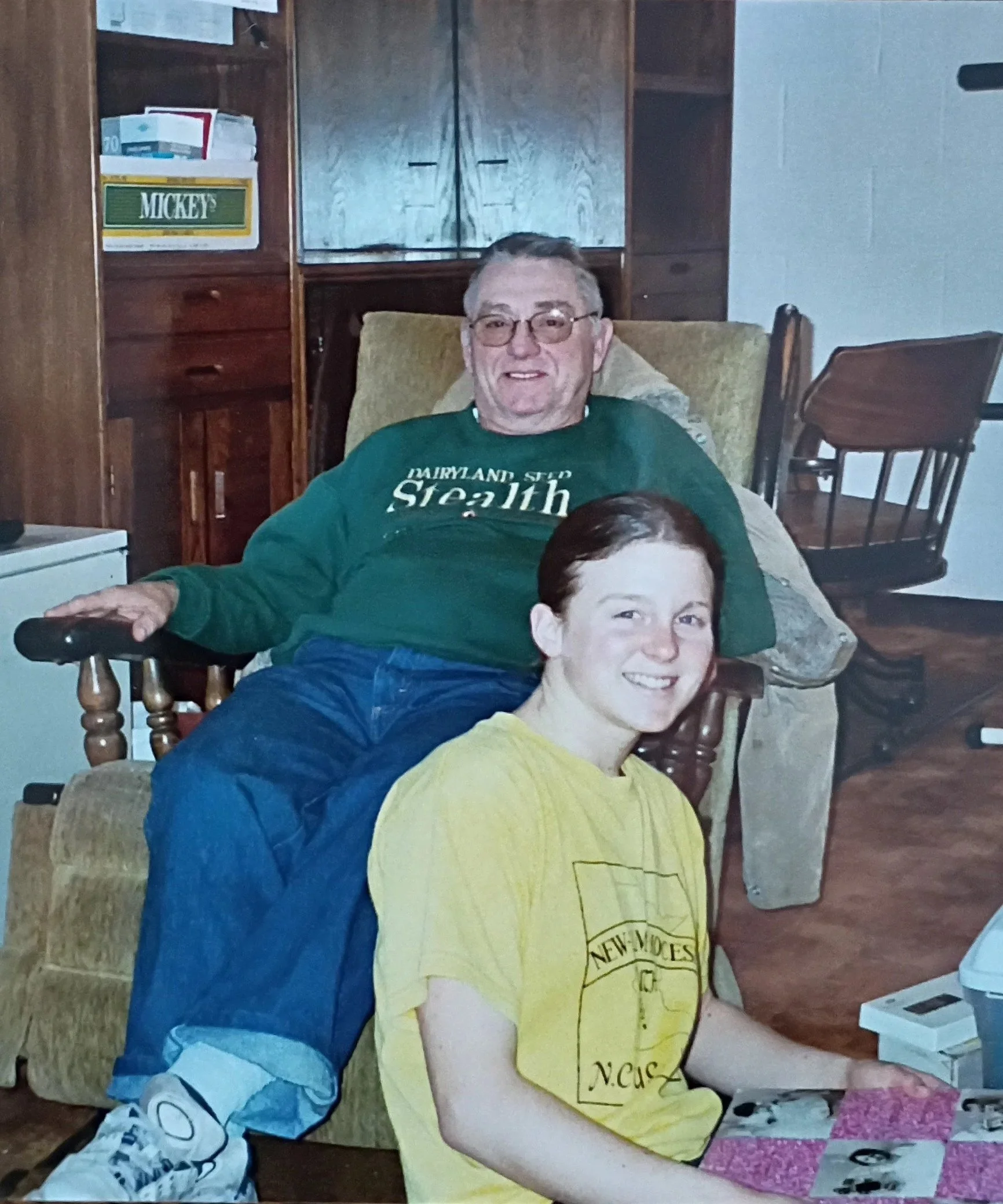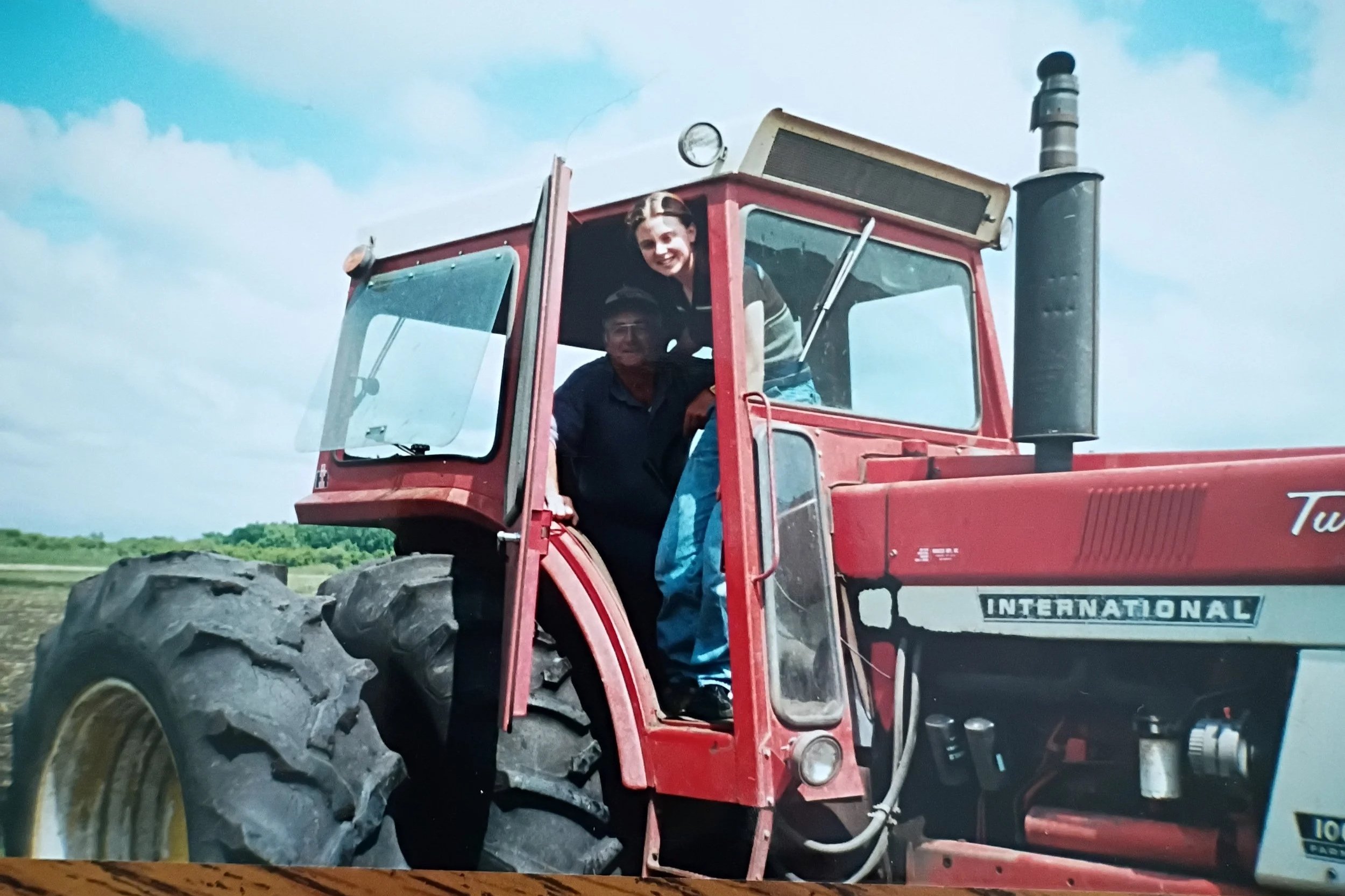

When I first learned about organic food in my 20’s, I struck up a conversation with my Grandpa Bob, farmer of 50 years on 180 acres. As the youngest of seven kids, he had inherited the farmhouse he grew up in, built out of cottonwood by his grandparents.
“Grandpa, you should grow organic food. Have you thought about it?”
“Yes. But you have to be within so many miles of a farmer’s market or place where people want to buy it. And since there’s none around here, you calculate your time to bring it there, and what people are going to pay for it. There’s not a good option right now.”
My grandpa had an 8th grade education from a 1 room schoolhouse. And he was educated by the rain, the sun, the pests, the Conservation Reserve Enhancement Program (CREP), the changing political landscape, and very importantly- the local coffee shop talk. Here I was, having never farmed, telling him what he “should” do. I had no idea the calculations he considered or stressors he faced in a fast-changing world, like many farmers.
5 years later I co-founded an urban permaculture homestead by putting $18,000 on a credit card for a downpayment. Our goal was to create a green demonstration site for the neighborhood. Interested yet inexperienced people often grandiosely opinionated on what we “should” do to make our yard sustainable. They had no idea about the financial stress I faced while trying to live in a learning laboratory. It was hard not to roll my eyes and respond, “Well, what are you doing to live sustainably?”
After 8 years, that project collapsed.
“How can I help?” is what I wish I had offered to my grandpa.
“How can I help?” is what I wish my neighbors and community enthusiasts would have asked me.
Now in my 40’s, I’m here to ask, “How can I help?” Because I care about the stress, livelihood, and success of our farmers. Farmers work hard to cultivate healthy food, and they deserve health too. But many deal with the toxic effects of ongoing stress in this unpredictable livelihood. Farmers know that our society’s existence depends on them. Farmers are the keystone population within humanity. Yet, do farmers get enough help in reducing stress?
I now live with 20 acres in Jefferson County, KS, and I constantly struggle to make decisions about best land practices that balance my ideals of biodiversity and native plants with my time and energy limits, so I sympathize with the weight of those decisions on a larger scale. I don’t know all the details of contradicting pressures, but I can imagine the never-ending demands on creativity, resourcefulness, and perseverance.
So I offer three ideas to help reduce stress, though I won’t say you “should” do any of them, as I deeply respect your work- organic or not.
Earthing
Forest bathing
Nature therapy
Earthing (sole to soil)
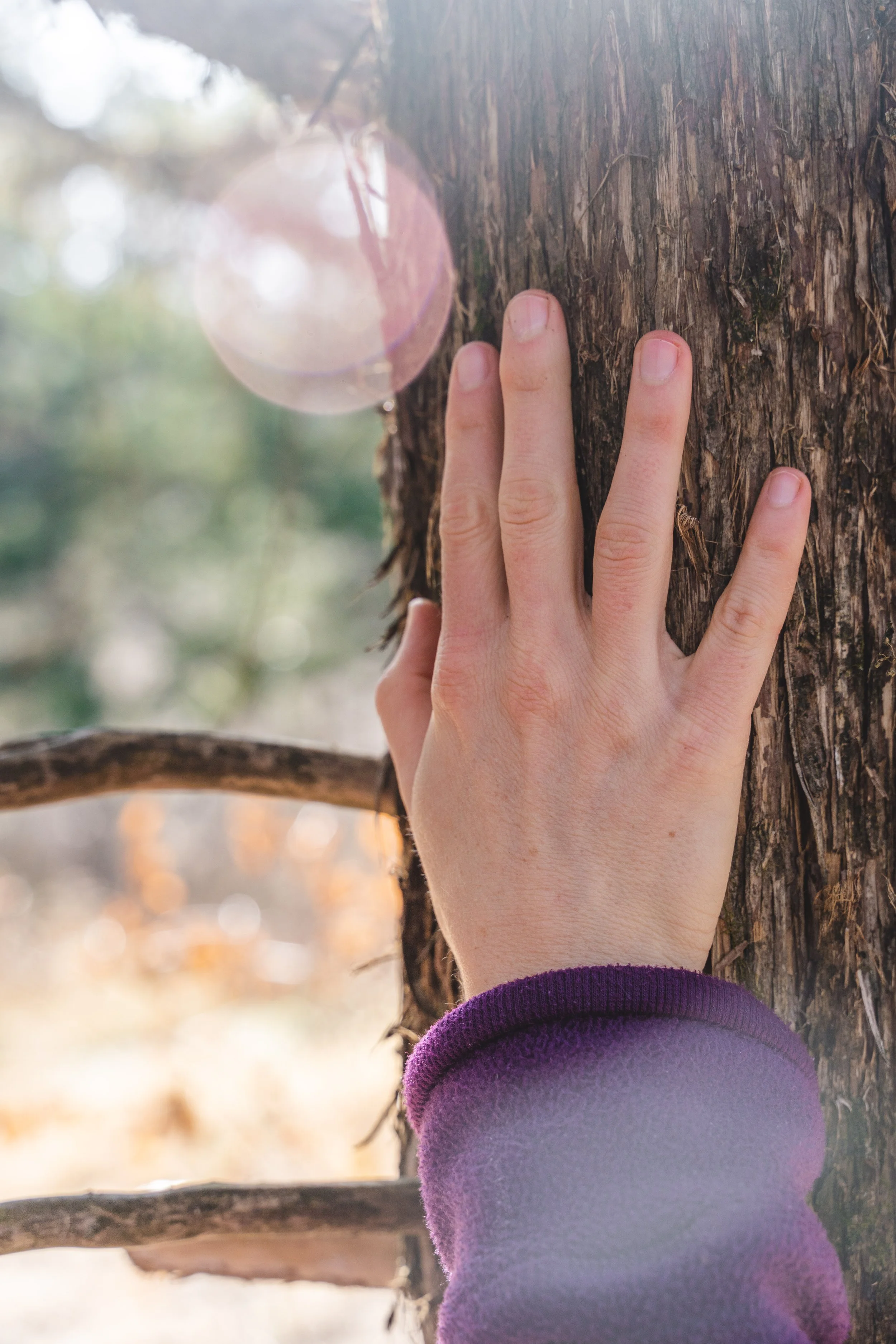
Find a patch of earth safe to stand on. Take your shoes off. Let your soles sink in. Let your soul sink in. The science of Earthing will do its job.
This snippet of a National Institute of Health article (https://pmc.ncbi.nlm.nih.gov/articles/PMC4378297/) excites me:
“Multi-disciplinary research has revealed that electrically conductive contact of the human body with the surface of the Earth (grounding or earthing) produces intriguing effects on physiology and health. Such effects relate to inflammation, immune responses, wound healing, and prevention and treatment of chronic inflammatory and autoimmune diseases...
Specifically, grounding an organism produces measurable differences in the concentrations of white blood cells, cytokines, and other molecules involved in the inflammatory response... Grounding reduces pain and alters the numbers of circulating neutrophils and lymphocytes, and also affects various circulating chemical factors related to inflammation.
Our main hypothesis is that connecting the body to the Earth enables free electrons from the Earth’s surface to spread over and into the body, where they can have antioxidant effects. Specifically, we suggest that mobile electrons create an antioxidant microenvironment around the injury repair field, slowing or preventing reactive oxygen species (ROS) delivered by the oxidative burst from causing ‘collateral damage’ to healthy tissue, and preventing or reducing the formation of the so-called ‘inflammatory barricade’…
Summary of findings (on earthing) to date:
Grounding appears to improve sleep, normalize the day–night cortisol rhythm, reduce pain, reduce stress, shift the autonomic nervous system from sympathetic toward parasympathetic activation, increase heart rate variability, speed wound healing, and reduce blood viscosity.”
When my child was little, I always kept my shoes on, because I couldn’t risk stepping on something sharp and needing to tend to my injury while tending to her as well. Now that she’s older, sometimes I forget I can put sole to soil. Each spring, weeks pass before I remember to take off my shoes and put my feet directly on the earth. Even when it was 80 degrees last February, it didn’t occur to me!
But I make a point most days to get direct connection. And, there are leather or earthing shoes you can buy and wear that conduct the Earth’s electricity.
Forest Bathing
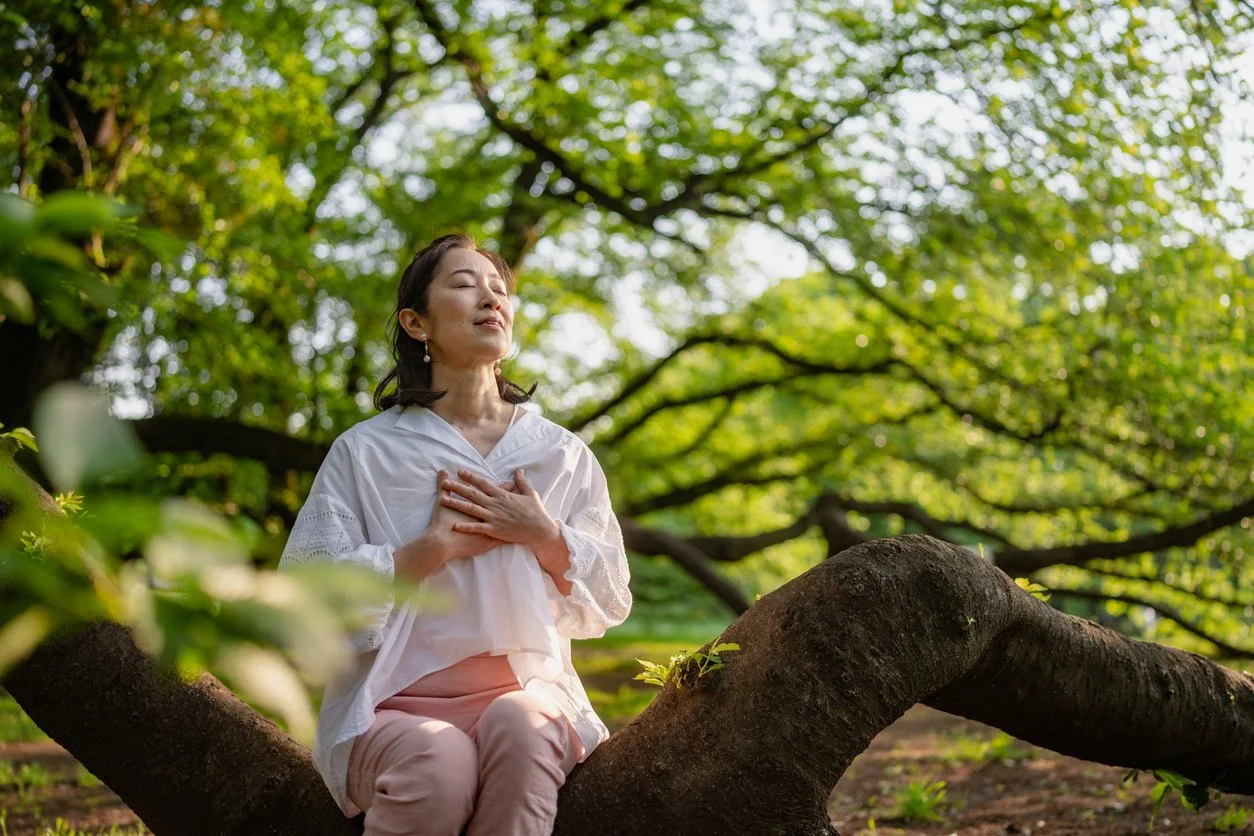
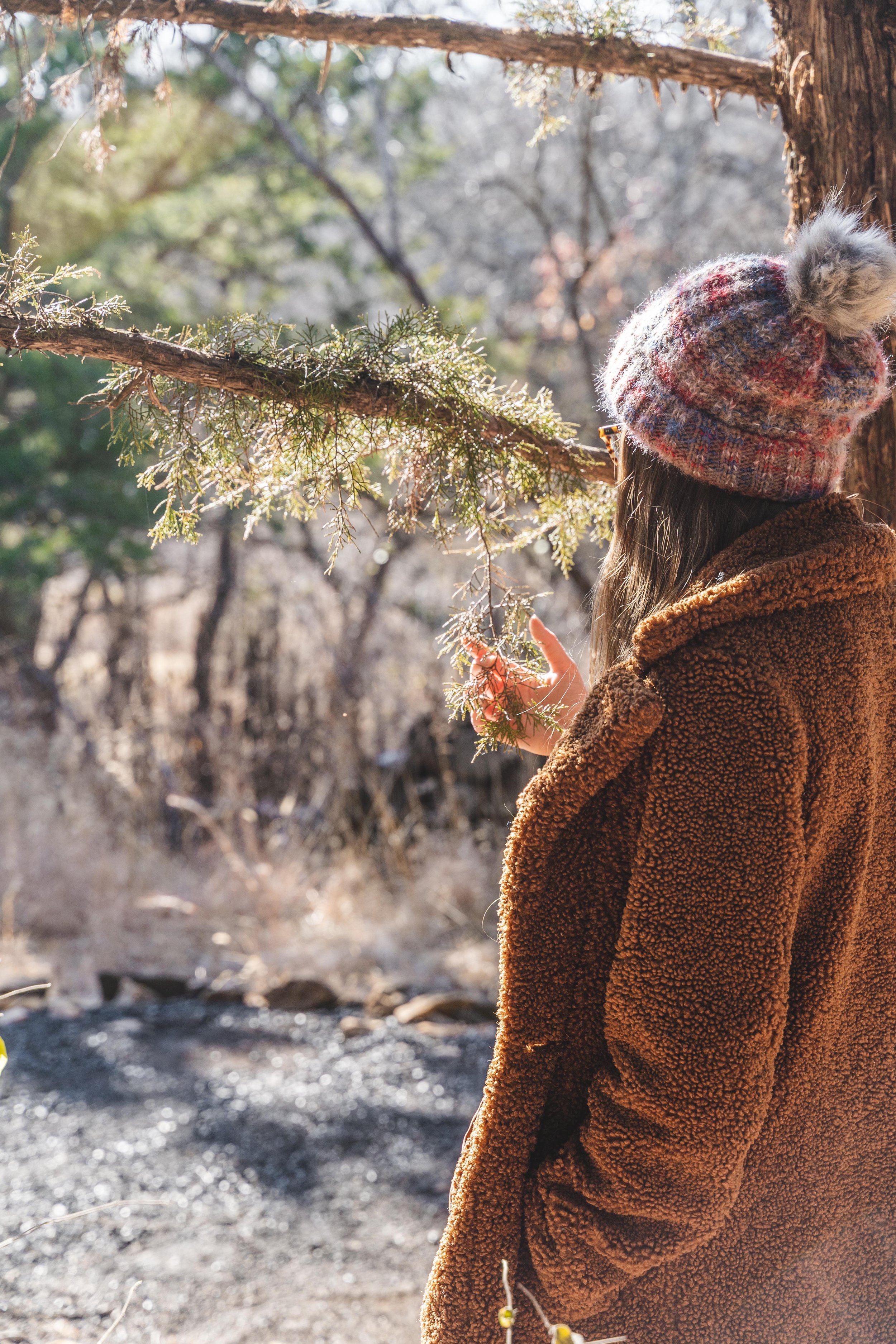
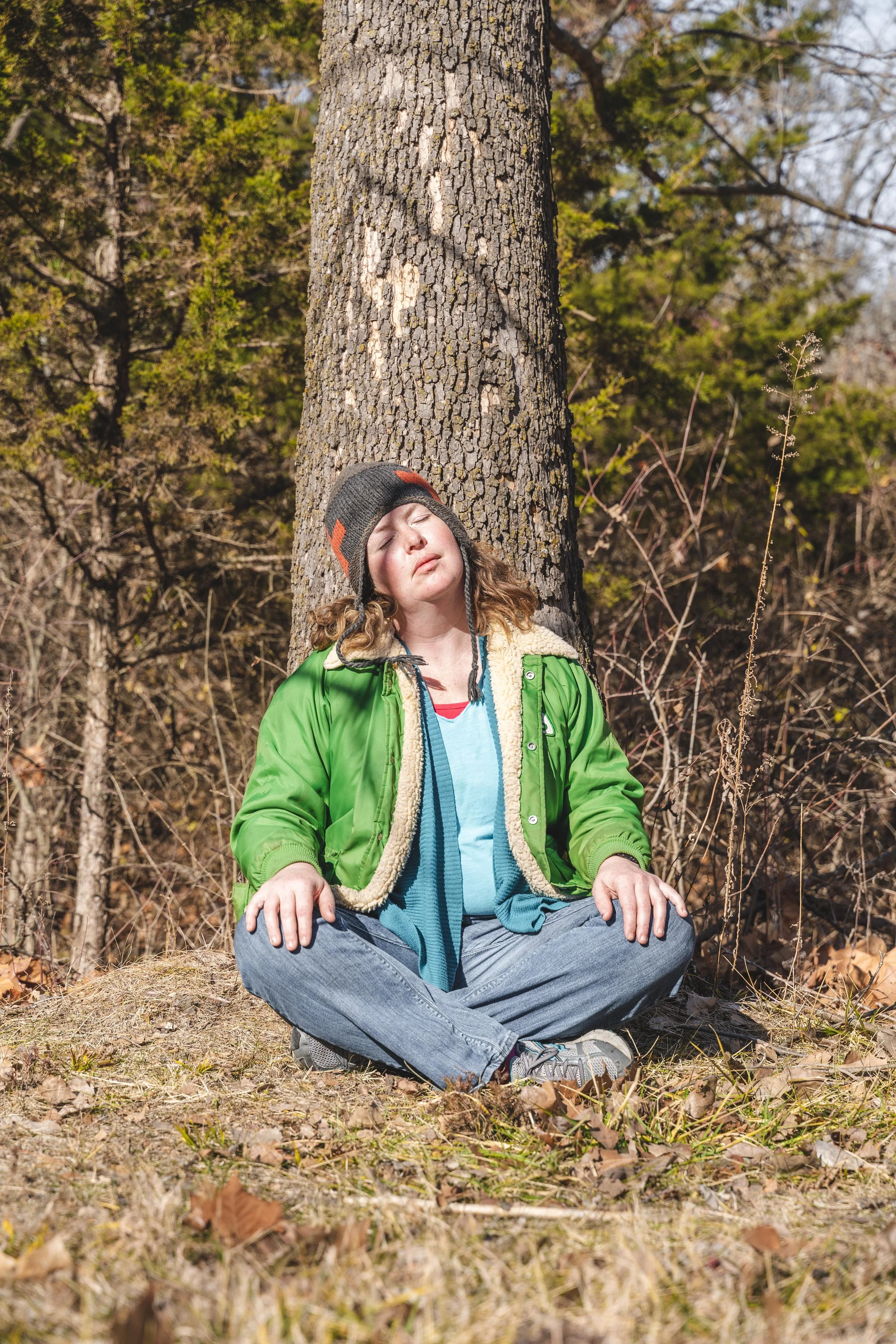
“Forest bathing” may sound like swimming in a wooded pond. But you don’t have to swim at all. It means “bathing” in the atmosphere of the ecosystem; bathing our senses in the sights, sounds, textures, smells, tastes, and other sensations of nature for an extended, mindful time, without working. It is inspired by the Japanese practice of Shinrin-Yoku, ‘forest bathing’.
The Association of Nature and Forest Therapy starting using the term “Forest Therapy” because of the incredible amount of positive health effects that are found in research.
Physiological, Cognitive, and Emotional Health Benefits
Intentionally slow time in nature, especially with a trained guide, offers:
Regulation of blood pressure, lower cortisol, and less stress
Increased immunity (from increased NK cells and improved mood)
Higher scores on Quality of Life measurements
Alleviation of anxiety and depression symptoms
Decreased reports of Chronic Widespread Pain
(See the science at DoseofNature.org.uk)
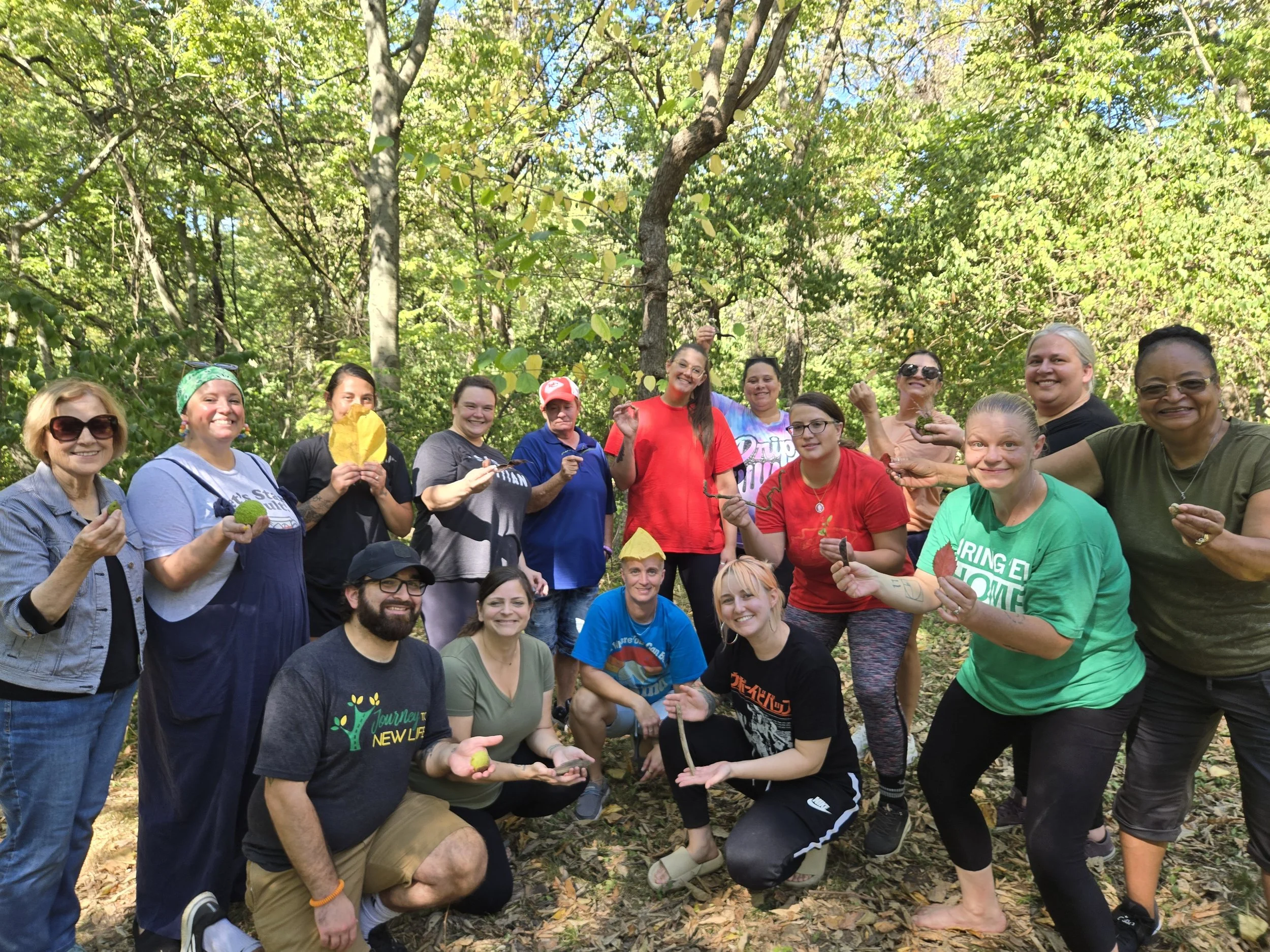
To access these benefits, we follow a specific sequence to help our bodies shift to the parasympathetic nervous system, which helps us de-stress. After a 20-minute guided meditation, 3-4 slow and contemplative activities are explored, with pauses to reflect. It concludes with drinking medicinal tea from the land.
Many hard-working country folks I know have been surprised to find out how much more relaxed they can become. “Though I’ve lived in the country for decades, Shannon’s way of approaching the forest helped me experience nature on a new level. I’m glad to be going deeper and look forward to even more!” -Larry Carter
You can forest bathe with me, with Sarah Cain around KC, or through sessions guided via phone at ANFT.earth. You can practice “forest bathing” on your own via instructions in books such as: Your Guide to Forest Bathing: Experience the Healing Power of Nature by M. Amos Clifford and Healing Trees: a Pocket Guide to Forest Bathing by Ben Page. You might also check out Feral Self-Care by Mandi Em.
Nature therapy
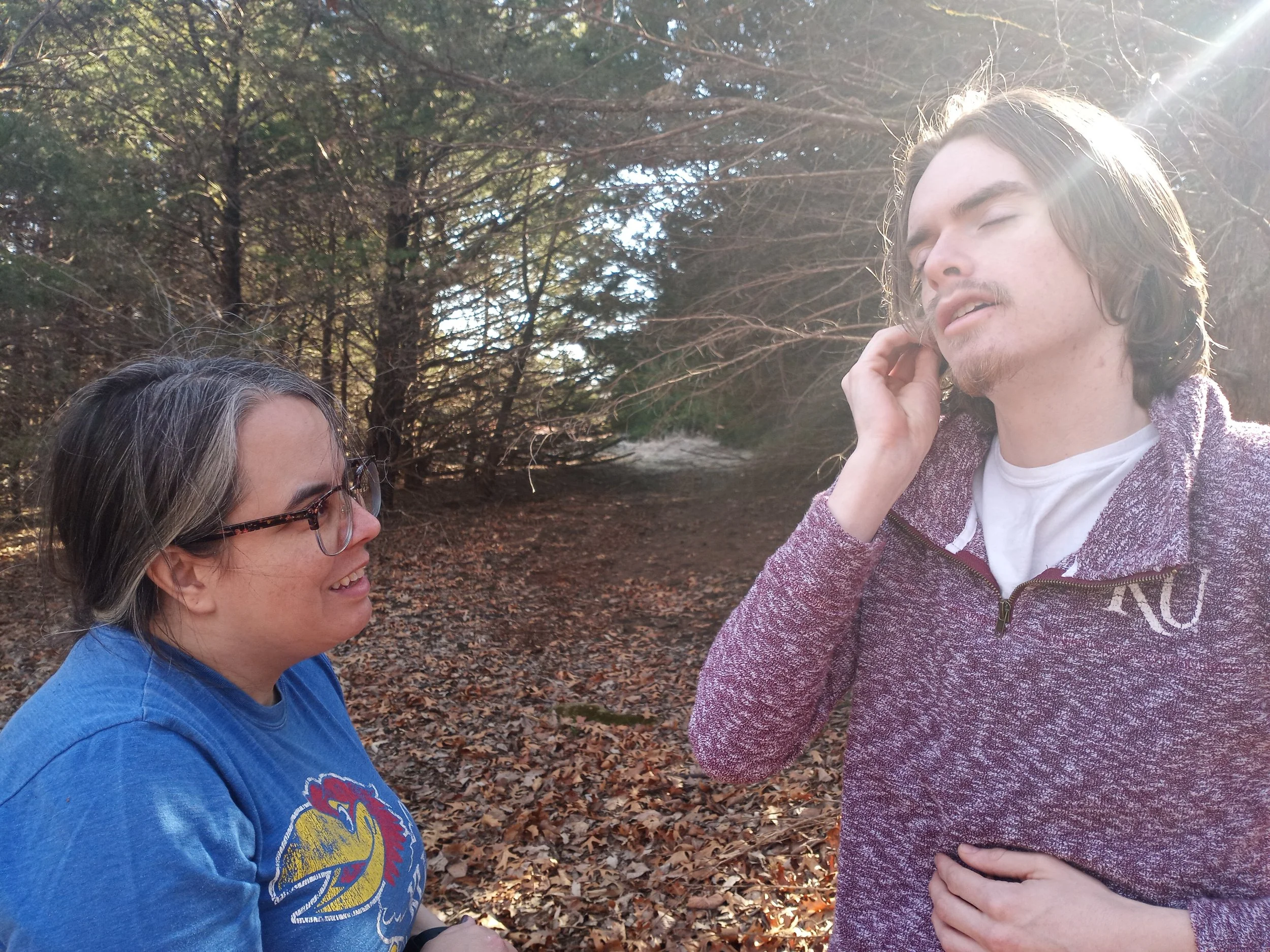
Having grown up in a nature-loving family, I struggled working 40 hours a week indoors. So in 2017, I started inviting people to take our conversations outside. Then I integrated healing interactions with nature into my counseling work. We find our center more easily, heal faster, and find new joys in a variety of ways. Here are a few examples from my work:
a.) Stress-reducing relaxation allows new insights to naturally emerge. When we place meditative attention on nature’s gifts, it activates our parasympathetic nervous system (rest, digest, and heal mode). By becoming calmly present and grounded, our tightly wound thoughts (habitual stress thinking) can loosen up, which allows new solutions to problematic patterns arise.
b.) By talking directly to plants or animals, or listening to the sounds of birds or wind, we sense messages. We might ask a tree for tips and listen to what ideas arise. Whether we believe a tree has sentience or not, when an ah-ha thought arises, we notice it. Another example: someone in mourning is drawn to a half-dead tree, and they feel less alone because of the inter-species experience of living while feeling half-dead inside. Another example is when someone is debating what to do in their relationship, listing off the considerations, and a crow flies overhead- cawing loudly after a specific sentence. The person realizes what they need.
c.) Engaging plants as metaphors or representatives of our human experiences, we learn more about what’s under the surface for us. For example, I asked a man who was stressed out by his work- but scared to change careers- to choose 2 trees, one to represent his current job and one to represent his possible new career. We stood by each tree while he shared how the tree’s shape, color, and life stage represented aspects of his job, and he realized what was really at the crux for him. Then we walked between the trees s-l-o-w-l-y so he could identify the fears and grief holding him back from making the transition.
To learn more about various types of nature therapy and practitioners who address stress exacerbated by climate change, you can explore Climate Psychology Alliance of North America https://www.climatepsychology.us/practitioner-directory/
Grandpa’s Lesson
Every year as Grandpa Bob got older, my Uncle Brad would ask, “You still planning to farm next year?” and he’d say: “I’m gonna farm til I die.” And he did.
Although my grandfather is gone now, the lesson remains. Before offering advice - let’s understand. Before assuming - let’s listen. Before saying what someone should do - let’s ask how we can help. So, I can’t offer to help him anymore. But I’d love to offer some help to anyone who tends land. If you’re stressed or know someone who is, I’d love to gift a free session. Just contact me.
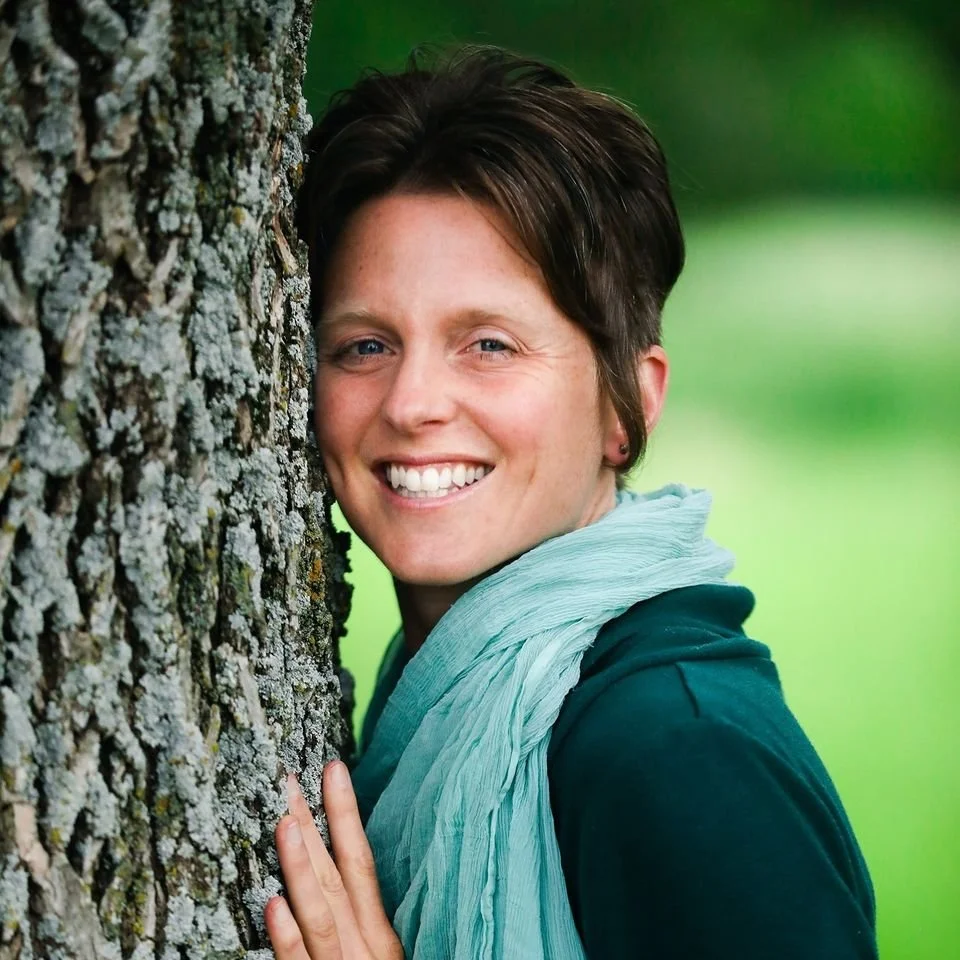
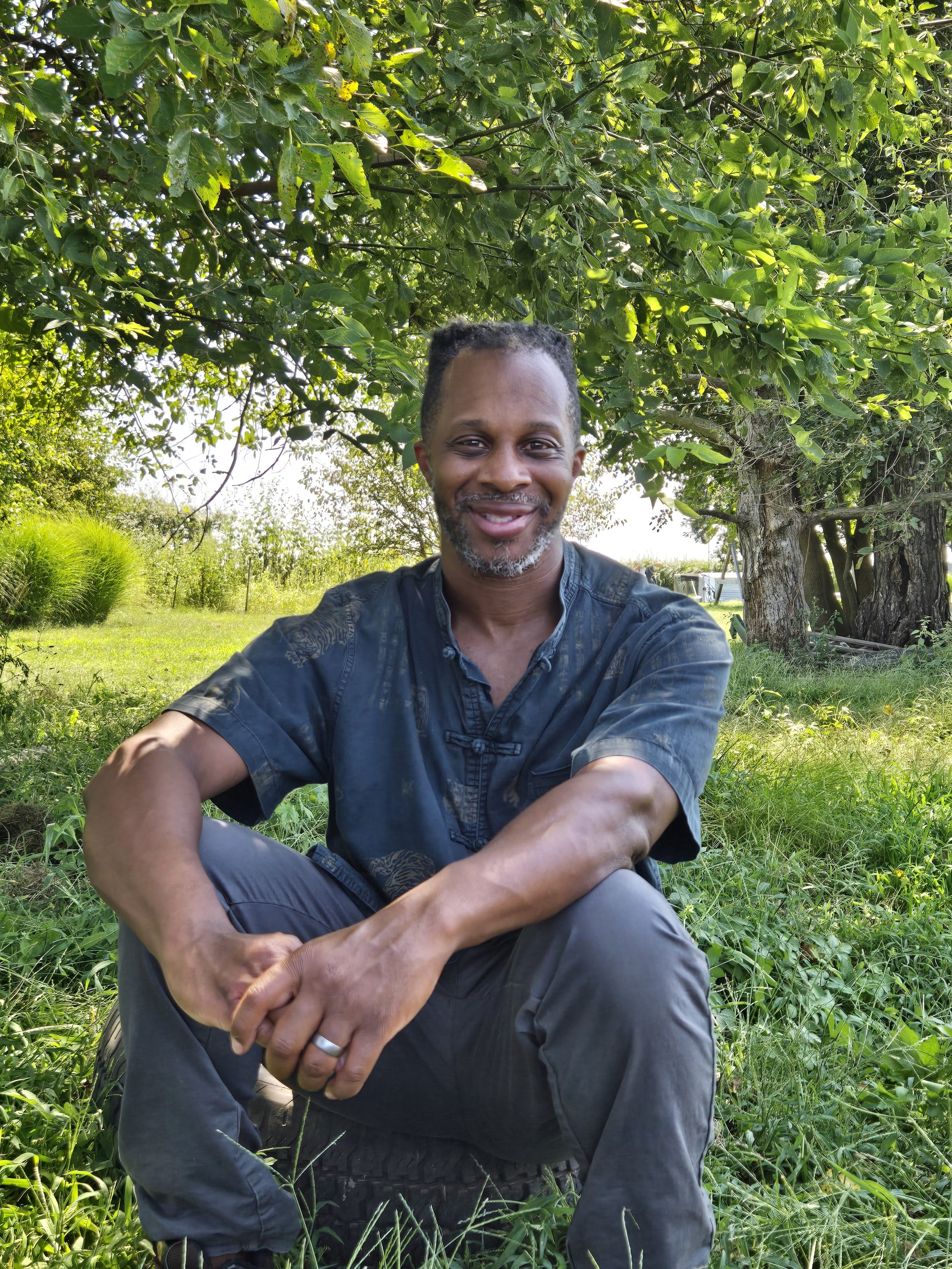
Article by: Shannon Gorres
More about Shannon’s work, her Blog, and Contact page can be found at DivineNatureTherapy.com