
EQIP Urban Farm Tour
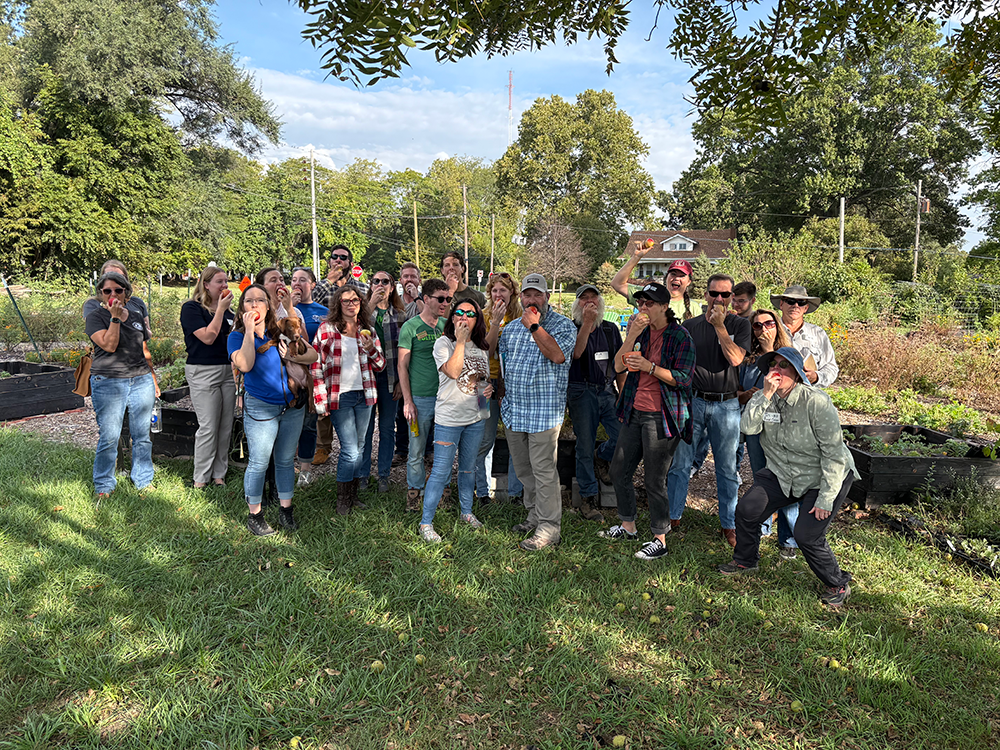
The farm tour started with participation in the Mountain Plains Crunch-Off
On October 6, 2025, the Kansas Rural Center and Missouri Rural Crisis Center collaborated to present a farm tour for producers to learn about the Environmental Quality Incentives Program (EQIP). The urban farms included on the tour included numerous examples of resource concerns and conservation practices that could be eligible for EQIP Technical Assistance and cost-share funding. After an online discussion forum on September 11, tour attendees had the opportunity to see EQIP resource concerns and conservation practices in person..
I attended the tour along with my colleague, Dustin Kohn. As K-State graduate students working on food system resilience projects, the tour was a wonderful way to engage with local farms and learn more about the funding opportunities available to urban growers. My research included interviewing 24 urban farmers in Missouri and Kansas, while Dustin’s research focuses on assessing community and agricultural resiliency within the Kansas City Metro. We were excited to learn more about resource concerns at two urban farms in Kansas and two in Missouri.
EQIP is a federal program administered by the Natural Resource Conservation Service (NRCS). While developing a conservation plan with the NRCS, growers can apply for technical assistance and cost-share to conserve natural resources on their land. Examples of resource concerns include protecting soil health and reducing erosion; protecting habitat for wildlife; and protecting water and air quality. Offices in each state help growers and producers with the application process and ongoing technical assistance for resource conservation.
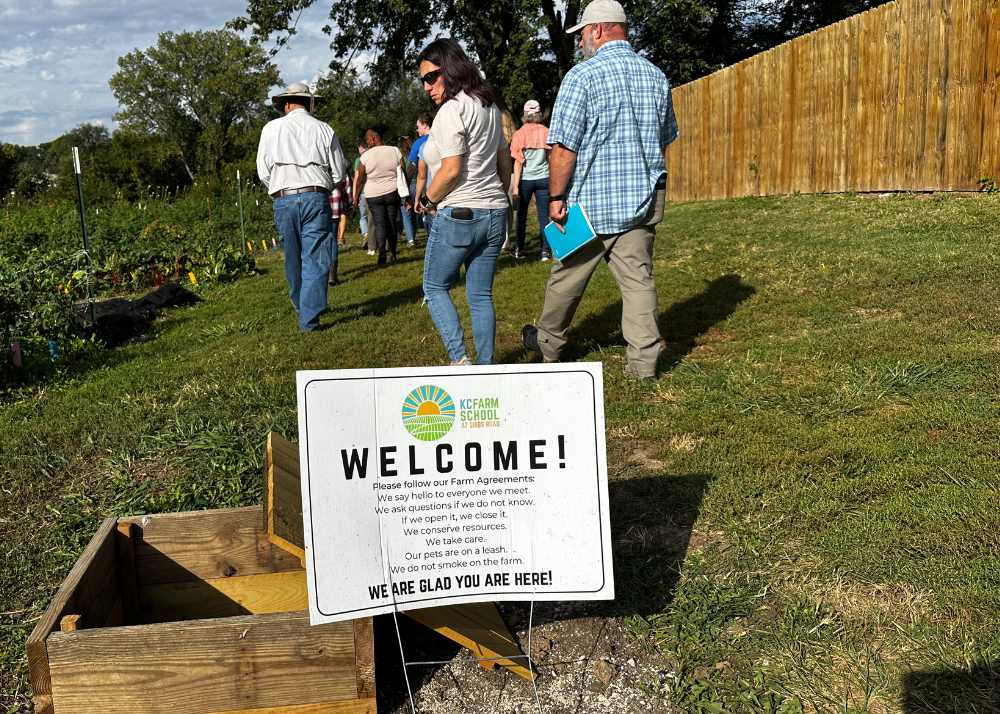
The tour started at KC Farm School, a non-profit educational farm in Kansas City, KS, where we met our hosts, Jackie Keller with the Kansas Rural Center (KRC) and Jill Lucht with the Missouri Rural Crisis Center (MRCC). Unable to attend as planned due to the government shut down, were four NRCS Conservationists and the Farm Service Agency (FSA) Kansas City Urban County Executive Director. Helping to fill this gap was retired NRCS State Conservationist, Mark Janzen, who was a Natural Resource Specialist for Forestry, Organic, and Plant Materials during 38 years of employment! Mark wrote the specs for high tunnels and worked with Specialty Crop producers, so was able to provide expertise throughout the day. In addition, Annalise Lallana fielded questions. Annalise is an Urban Ag & Small Farm Specialist with American Farmland Trust and had attended the Pre-tour site visits.
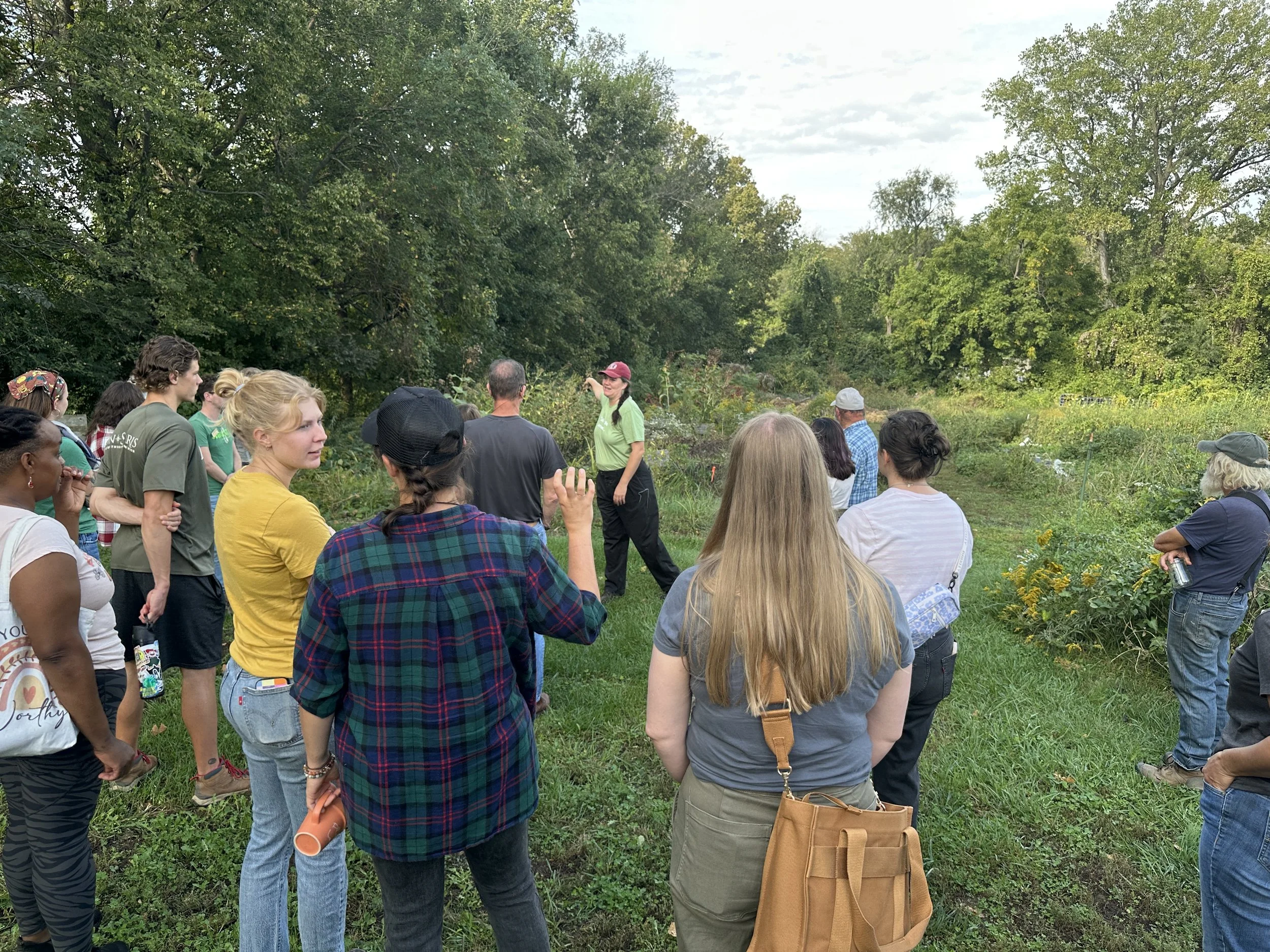

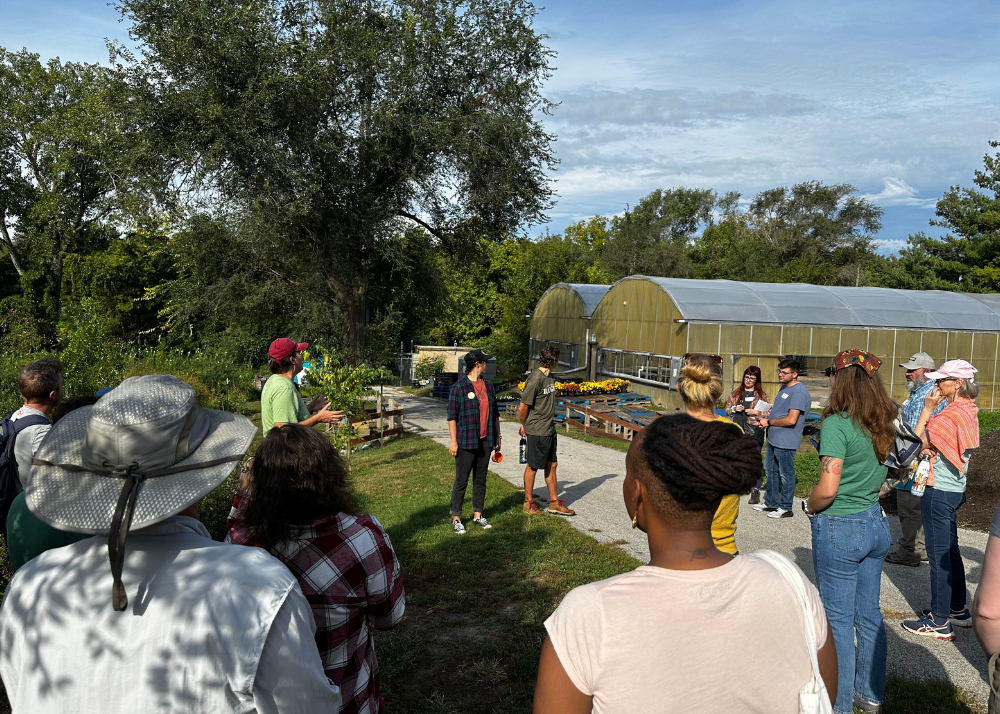
Representatives from non-federal agencies who came from Kansas included Dylan Parsley, the Wyandotte County Horticulture Agent and Sharon Autry, Urban Ag Specialist from the Miami Co. Conservation District. And from Missouri was Neil Monnig, Urban Ag and Small Farm Program Manager, Boone County Soil and Water Conservation District.
Several local growers and producers came out for the tour. We enjoyed local apples and apple cider from South Baldwin Farms; the energy was high as we gathered for a “crunch-off,” with everyone taking a big bite of their apple for a group photo. We gathered in a circle with our refreshments as we learned about the FSA, the Natural Resources Conservation Service (NRCS), and how to engage with funding opportunities. We had a robust conversation about applying for farm numbers with the FSA, a crucial first step in securing federal funding. Lydia Nebel, farm director, led us on a tour of the KC Farm School to complete our first stop.
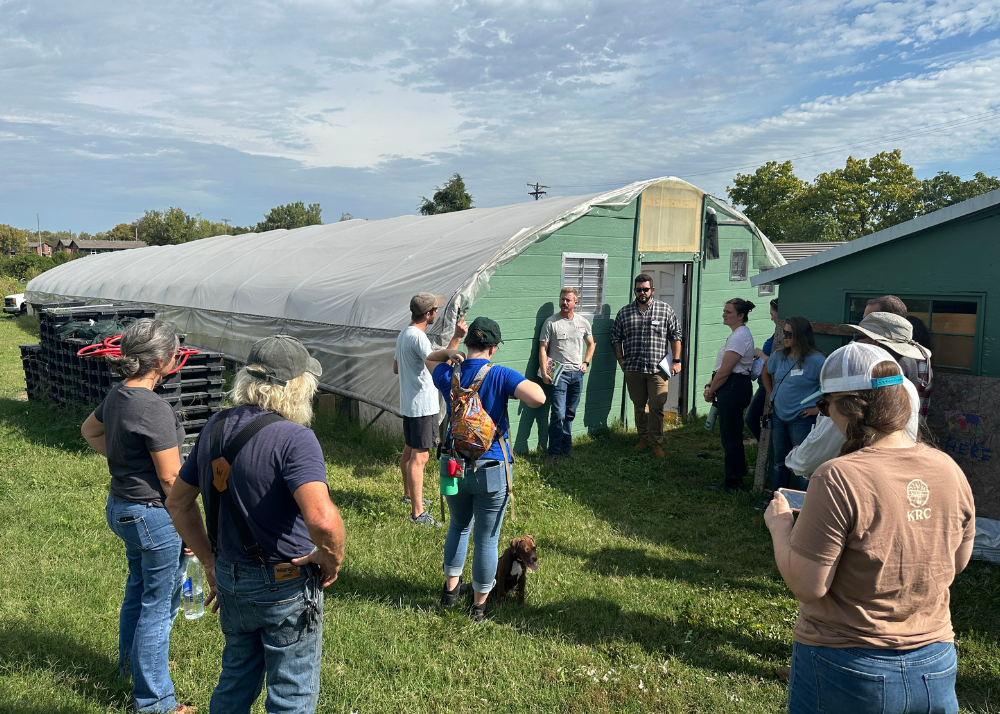
Midmorning, we carpooled to Juniper Gardens Training Farm in Kansas City, KS. Juniper Gardens provides a four-year grower education to immigrants, empowering new Americans with land, equipment, and knowledge to establish a career. We saw numerous examples of resource concerns eligible for EQIP cost-sharing, including mulch and an EQIP-funded high tunnel.


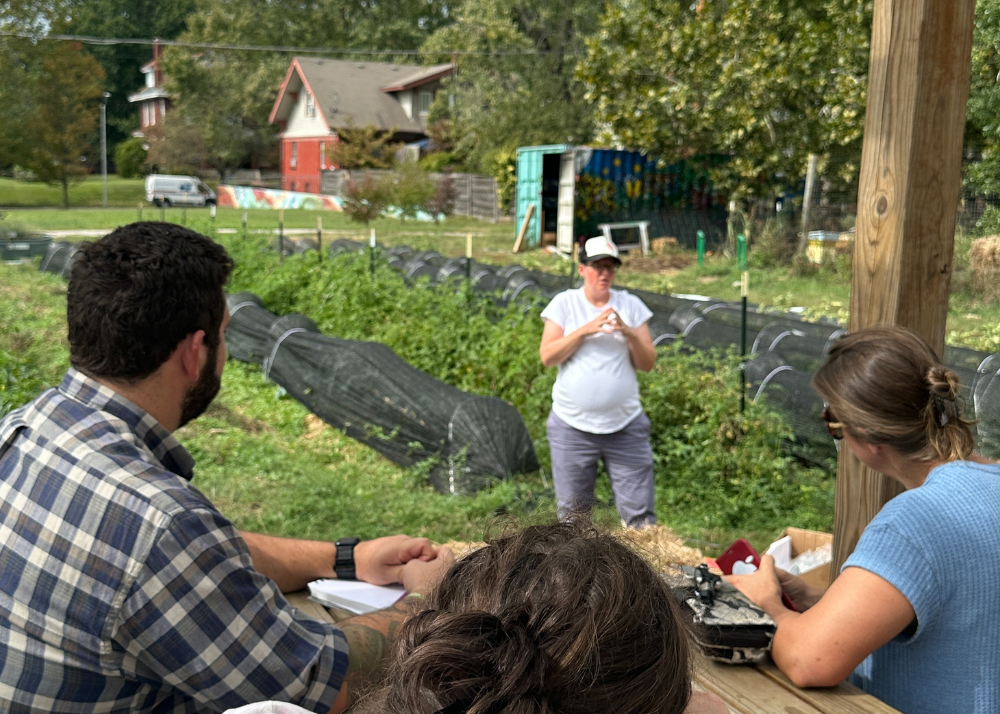
Lunch was a hearty, healthy, and delicious spread of roasted vegetables, chicken or tofu, quinoa, and hummus, with no-bake cookies for dessert, from local restaurant Ruby Jean’s Juicery. While we ate, we heard a presentation from Susan Welch about her experiences applying for funding for an EQIP-supported compost facility at her farm, Grasshopper Urban Farm. Susan explained that the process was challenging at times, as she wanted to use an innovative composting system that is not currently supported by NRCS protocol. Her application was ultimately successful, and she is now waiting for her new composting setup. Susan’s experiences gave tour attendees an inside look into the application process.
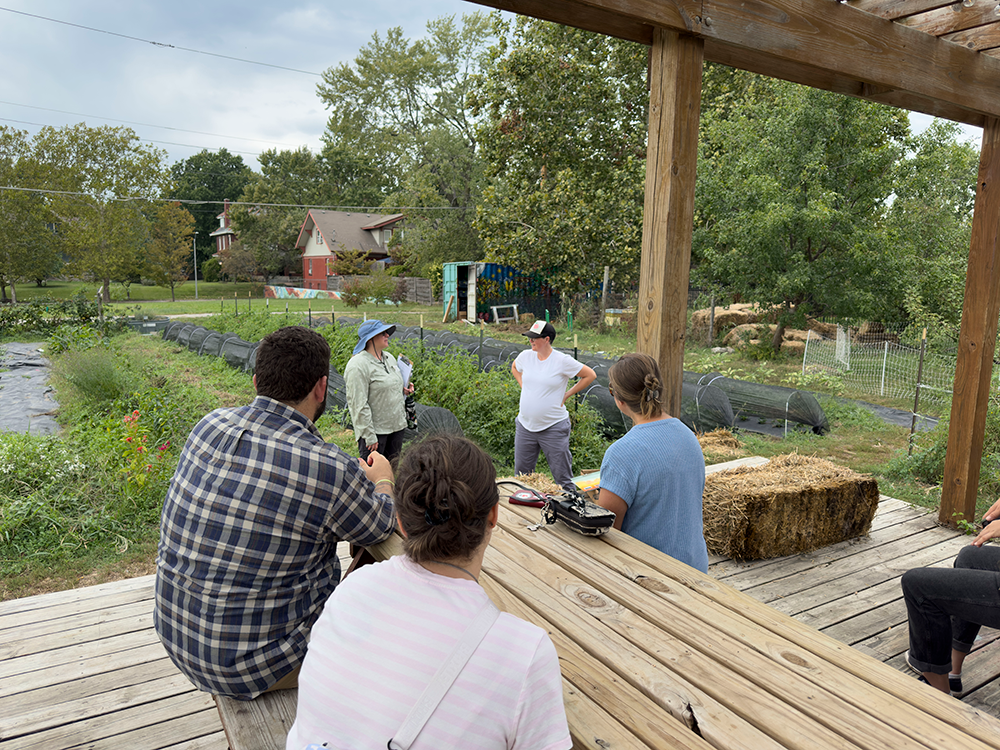
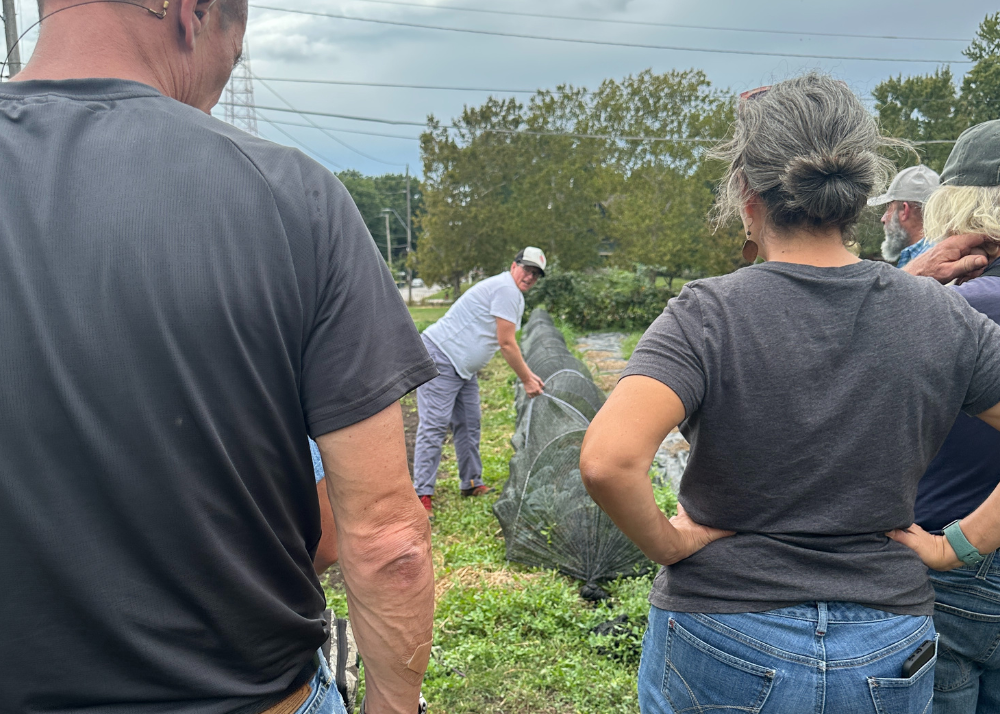
The tour proceeded eastward to Longfellow Community Farm, a farm operated by residents of the urban Longfellow neighborhood in midtown Kansas City, MO. Here, we learned about low tunnels from farm volunteer Ami Freeburg. The group discussed why a grower may want to use low tunnels, as well as the importance of developing a plan to use equipment that meets the specs developed by the NRCS.
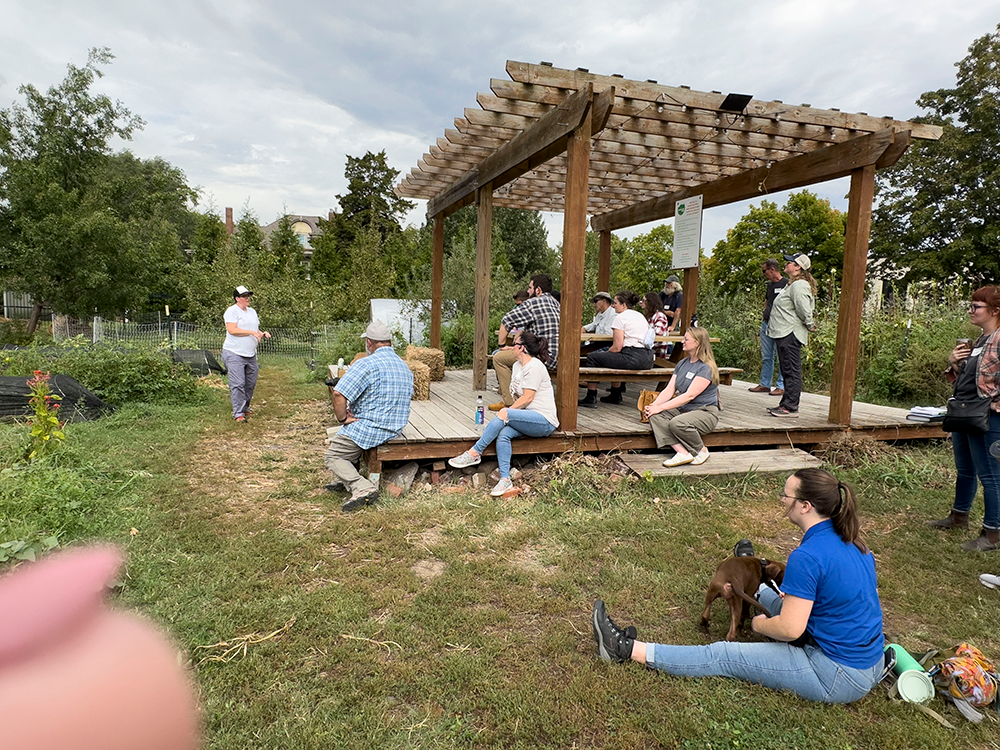
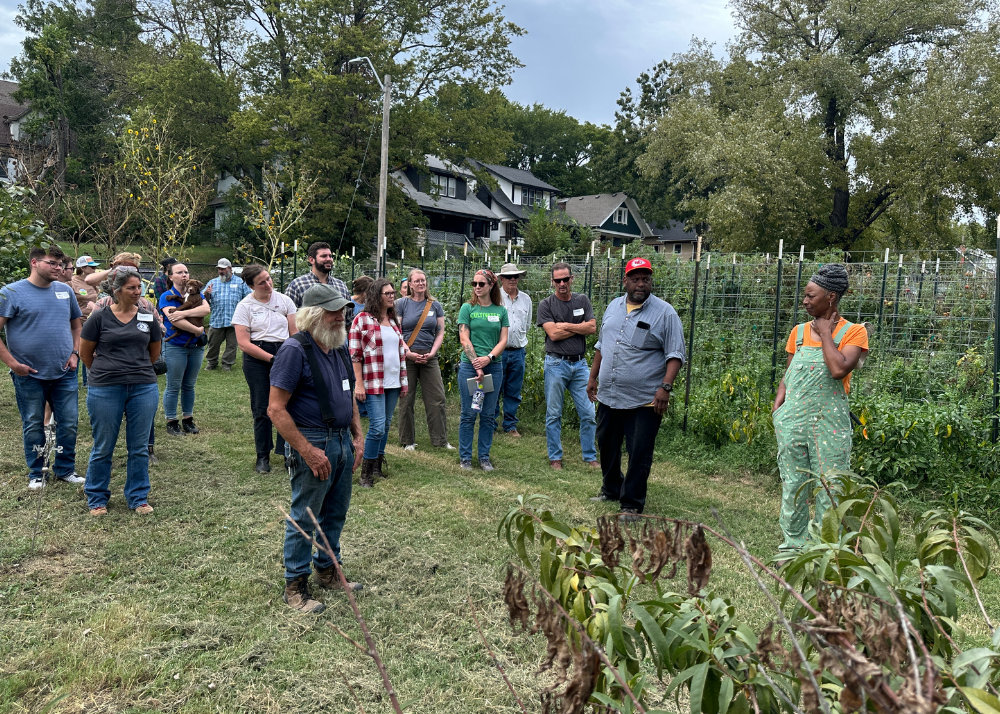
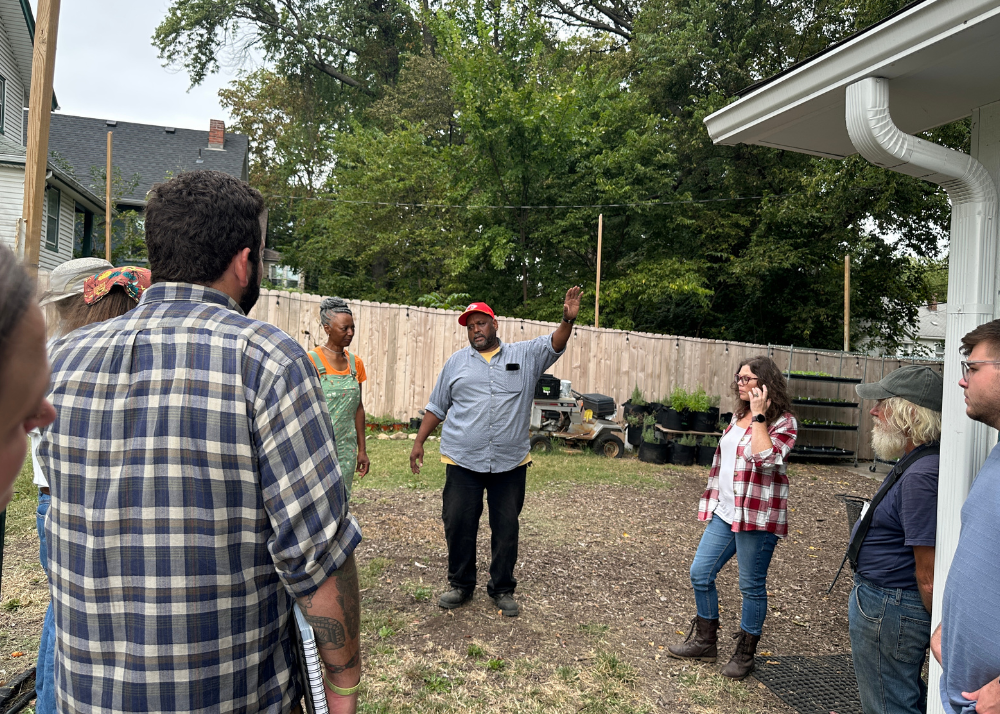
Finally, the tour convened at Young Family Farm, a farm operated on several urban lots by the Young family in Kansas City’s historically marginalized east side. Their farm presents a unique challenge, as they grow on vacant lots where houses once stood along a busy road. However, farmer Alan Young reminded us of the importance of urban farms, stating that though we may feel insulated living in American cities, “We are not immune to famine.” The family has developed creative solutions for water and storage to help them bring fresh produce to their neighborhood. As the tour drew to a close, the growers in attendance could ask questions about NRCS, KRC, and MRCC, as well as visit with new friends.


This tour was a unique opportunity for Dustin and I to learn about the agencies and funding opportunities mentioned by the farmers and policymakers involved in our research. Thanks to the information provided at each stop of the tour, we are more well-rounded researchers of urban food production.
We would like to give a huge thank you to NRCS staff who were vital participants during the five months of planning for the tour but were unable to attend due to the government shutdown. On the Kansas side, Tim Miller, the State Urban & Non-Traditional Conservationist visited three prospective farms with Jill and I in June to look at implemented practices and assess how EQIP could be further utilized or utilized for a first-time applicant. Then, on July 29, the hottest day of the year, Tim McCoy, KS NRCS District Conservationist and Eric Cameron, the KC, MO Urban Conservationist joined the team of six of us visit three additional farms and provided much needed input.
Also owed a very big thank you is Neil Rudisill, the Kansas City Urban County Executive Director for USDA-FSA, who accompanied us on the hottest day of the year to help with the tour logistics and showed us his farm in KC, MO near the two host farms. Neil was planning to talk about how NRCS interfaces with the Farm Service Agency (FSA), particularly getting a farm number to apply for EQIP.
For more information on applying for a farm number, check out this video from RAFI USA - rafiusa.org/events/farm-number/